
Illinois: Rocking Horses
1 Comment


This gallery contains 21 photos.
Route 5 in Virginia is the old wagon road that has connected Richmond to Williamsburg for centuries. I grew up here, and although it is obvious that the road is littered with history, I know very few of the stories. This was the first time I ever actually stopped and read the historic markers that …
Did you know that while the Chesapeake Bay is cleaner now than it was a few decades ago, it still suffers from dead zones, sea grass depletion, and low oxygen levels that harm fish and other wildlife? Oysters are perhaps the most obvious example — oyster levels in the Bay are only 2% of what they were 200 years ago.
For more information on research being done in the Bay, check out the Chesapeake Biological Laboratory on Solomons Island.
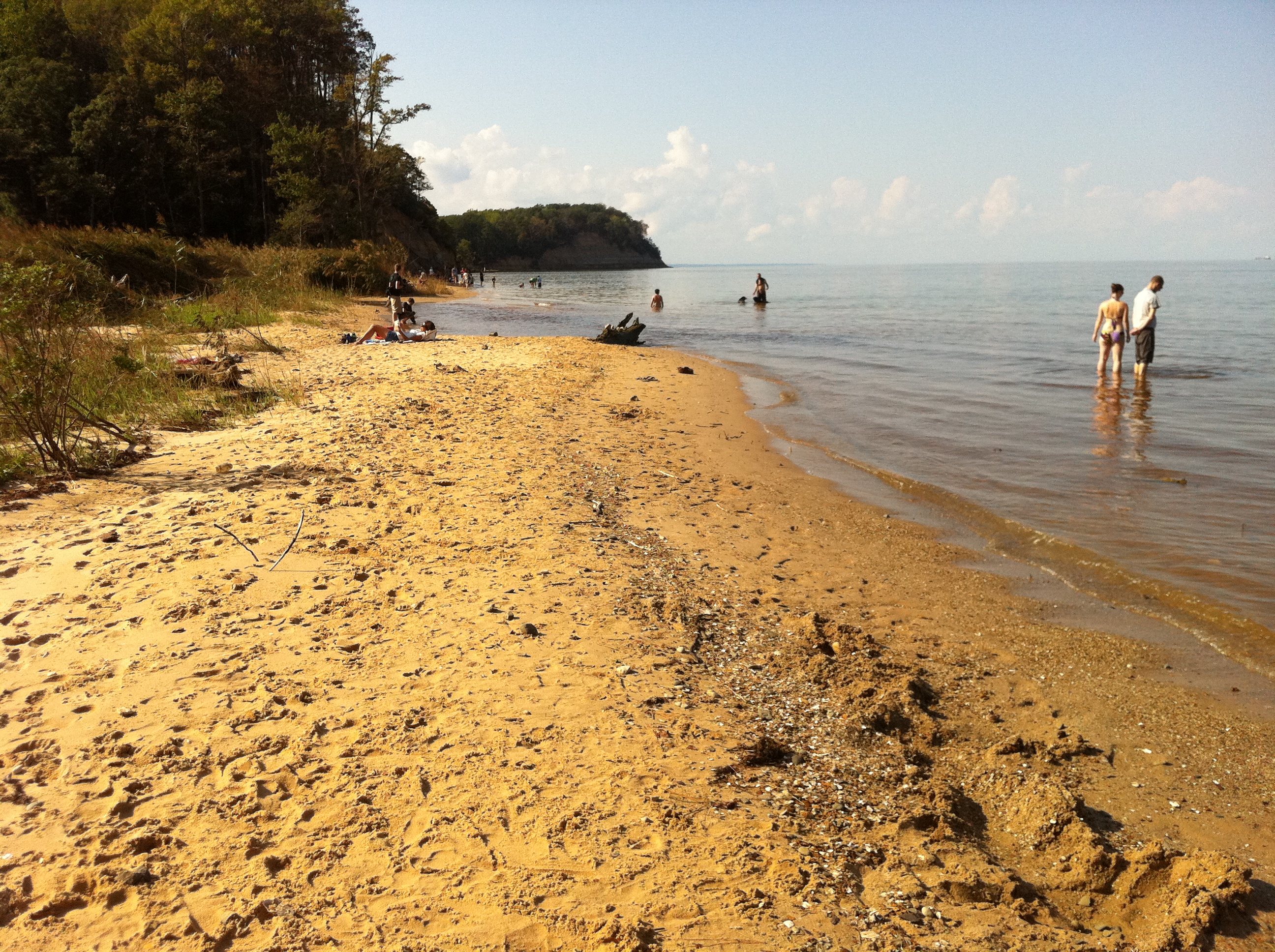
Calvert Cliffs State Park
Being a place that the state of Maryland describes as “one of the most unusual natural curiosities in the state”, and first mapped by John Smith, of Jamestown fame, in 1612, the Calvert Cliffs were a necessary stop on my way down from Canada to Richmond.
It was a 2 mile walk through woods and swamp to get to the sandy beach at the bottom of the cliffs. Before I embarked, unprepared in my Mexican, handmade leather sandals (note to self: keep a pair of Chocos in the back of the car from now on!), I of course had to put the hike into NY terms for me: about as far as a walk from our old apartment in Astoria to the Brazilian grocery on Northern Boulevard. Totally doable!
Arriving on the crowded beach, we learned that the cliffs are famous not so much for their beauty, as for the prolific abundance of fossils held in their white clay. I only found a herd of domesticated and soaking wet black labs, but there were quite a few serious fossil searchers on the beach and most appeared to be making interesting discoveries. The 7-year-old crammed onto the 5 foot wide beach next to us, informed us that sharks’ teeth are the most common find.

Favorite Find: Clewley Farm Restaurant
On Route 9 right outside Bangor, Maine, the Clewley Farm Restaurant didn’t look like anything special until we walked in. Cute and cozy with a slight scent of freshly laid hay, this was the real deal. Freshly baked bread accompanied the meals, and this southern girl can confirm that their fried chicken is out of this world.
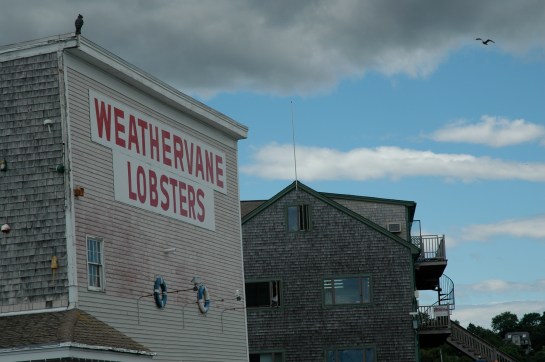
This gallery contains 17 photos.
The three eastern Canadian provinces of New Brunswick, Nova Scotia, and Prince Edward Island (P.E.I.) are collectively called the Maritimes; a little factoid I learned during my first night in St. John, NB. Here are a few of the other surprises I found along the way:
Nova Scotia:
– Expecting a seaside town full of grays and neutrals? Forget that! I have never seen so many beautifully colored buildings. It seems as if every town has a signature turquoise house.
– According to a roadside sign on the way to Lunenburg, the 3 largest contributors to the Nova Scotia economy are fishing, tourism, and agriculture.
– So many pieces of land for sale! If you were looking to move to beautiful sea-side piece of property, this is the place.
Prince Edward Island:
– The ‘potato capitol” of Canada.
– Looking for an ice cream shop? Keep an eye out for a Dairy Freeze instead.
– P.E.I. is the smallest of Canada’s provinces but has over 50 lighthouses.
 A true New Brunswick “Provincial Top Attraction”, the Bay of Fundy is in the running to be one of the New7Wonders of Nature (according to my whale watching captain, it is already an honorary 8th). Why all the hubbub? Over 1 billion tons of water move in and out of the Bay between tides, and at some points in the bay, the differential between high and low tide is 40-50 feet. That makes a common 3 foot tide look quite unexceptional!
We visited at low tide when you can walk on the “sea floor” and watch the tide come in at a rate of 6-8 vertical feet per hour. The rocks you see in the above picture were 4 hours away from being surrounded by kayaks instead of pedestrians.
I came across these Dutch delights not in Amsterdam but in Charlottetown, Prince Edward Island. Located on Victoria Row in downtown Charlottetown, this cute little cafe’s yellow and black umbrellas are inviting on their own. But look closer and you will notice the owner, Lucy, dressed in a darling European ensemble, dropping dollops of dough into the cafe’s only window adornment – a special griddle just for poffertjes.
“But what are poffertjes?” you may ask. Imagine a ball of perfectly cooked sweet dough swimming in butter and covered in sugar. It is as if heaven were on the end of a little wooden fork.
Only offering their signature poffertjes and a house blend coffee, Poffertjes Dutch Mini Pancake Company’s business plan seems simple — Do one thing and do it well. Mission accomplished.
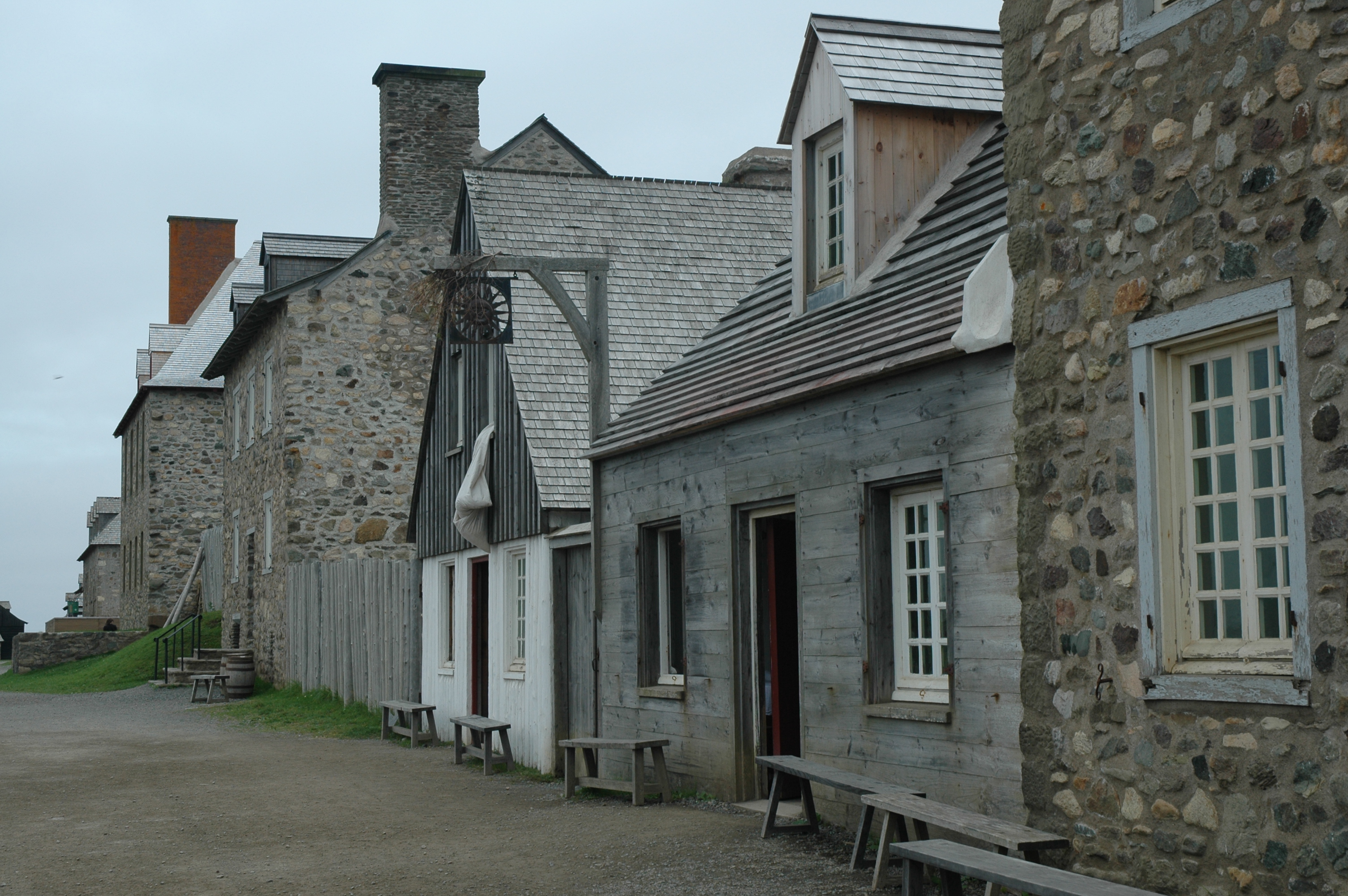 If you were ever looking for a place that spends more time in the fog than the sunshine, Louisburg, Nova Scotia is the place to be. On the North East coast of the island, the current town and the reconstruction of the fortress that stood there under the French during the 18th century, seem to be veiled under a constant curtain of clouds. It was a little disconcerting at first. We arrived right at sunset to a cranberry colored B&B with a mist that seemed to only be hanging over the few square blocks we’d call home for the next two days. By the time we left, my favorite thing about the fog was how much it made you appreciate how lit up the city would become in the few sunny hours you might get in the middle of the day.
The town was quaint, but the Louisburg Fortress itself is amazing. It is the largest reconstructed historic site in North America and a great example of what meticulous research and dedication to detail can accomplish. Only 1/5th of the fortress is reconstructed, but standing amongst the buildings you can imagine how life would have felt on this stretch of land in 1744. The buildings are beautifully constructed and they even have geese and lambs roaming the streets with flocks of kids following behind.

 wanderfull365